
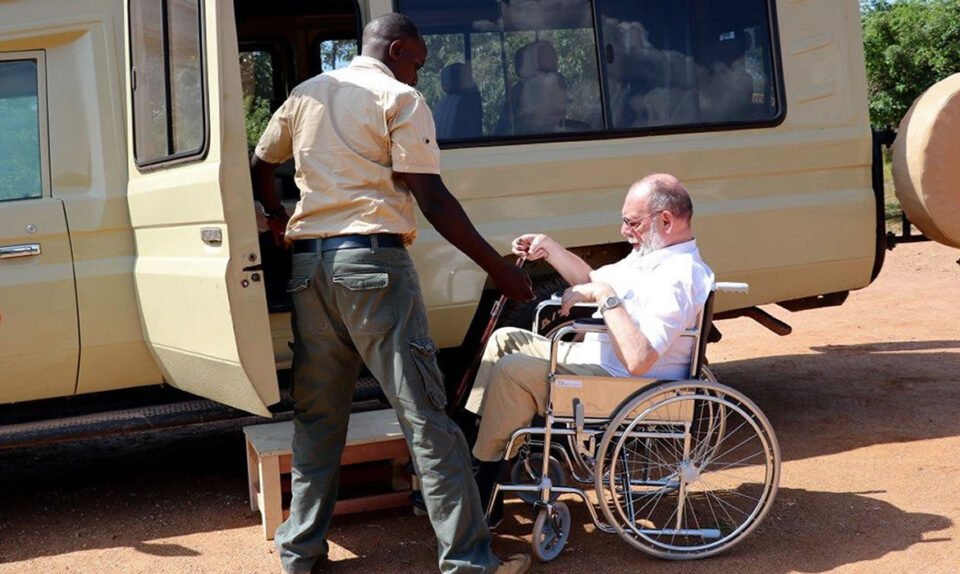
By Woonam News
Tourism is often described as an opportunity for everyone to explore, relax and experience new places. But for millions of people around the world, simply accessing a hotel, attraction or tourism facility can still be a challenge.
According to the World Health Organization (WHO), about 1.3 billion people — approximately 16% of the world’s population — experience significant disability.
That figure represents a huge part of the global population that tourism destinations and businesses cannot afford to overlook.
What does accessible tourism mean?
Accessible tourism means making tourism facilities, products and services usable by people with different disabilities.
This can include practical measures such as:
- Wheelchair-accessible entrances and pathways
- Accessible toilets
- Suitable parking spaces
- Clear and visible signage
- Easy-to-access accommodation
- Information available in accessible formats
- Staff trained to assist visitors with disabilities
- Tourism attractions designed with different mobility needs in mind
But accessibility goes beyond simply installing a ramp.
It is about considering the entire visitor experience — from the moment a traveller searches for information, to arrival, accommodation, movement around a destination and participation in activities.
Accessibility is also a tourism opportunity
Accessibility is often discussed primarily as a human-rights issue, and rightly so.
However, it can also present an opportunity for tourism businesses.
A hotel, restaurant, tour operator or attraction that makes its services accessible can potentially welcome visitors who might otherwise struggle to use them.
For destinations competing for visitors, creating more inclusive tourism experiences can therefore become part of a broader strategy to expand the market and improve the visitor experience.
What does this mean for Uganda?
Uganda has a growing tourism industry, with destinations ranging from Murchison Falls and the Nile to national parks, cultural sites, lakes and community tourism experiences.
As tourism continues to grow, accessibility deserves greater attention in destination planning and investment.
For communities such as Pakwach, Nebbi and Zombo, where tourism and local experiences can create opportunities for businesses and communities, accessibility can become part of the conversation about what kind of tourism the region wants to build.
Can a visitor using a wheelchair comfortably reach the attraction?
Can an older traveller navigate the facility safely?
Can someone with a visual, hearing or other disability obtain the information they need?
These are not only questions for government or large tourism facilities. They are questions that hotels, restaurants, tour operators, community attractions and local businesses can consider.
Tourism for everyone
Sustainable tourism is not only about protecting nature and preserving culture.
It is also about creating experiences that allow more people to participate.
Making tourism more accessible can help destinations become more welcoming while giving businesses an opportunity to serve a broader range of visitors.
The question for Uganda’s tourism sector is therefore not simply “Where can tourists go?”
It is also:
“Who can experience what we have to offer?”
Woonam News continues to explore tourism, community stories and emerging opportunities across Uganda and beyond.
